
 Send Inquiry
 Send Inquiry
Potassium Permagnate
MOQ : 100 Kilograms
Potassium Permagnate Specification
- Purity
- Usually 99-100% pure
- Grade
- Industrial grade pharmaceutical grade
- HS Code
- 28416100
- Smell
- Odourless
- Molecular Weight
- 158.03 g/mol
- Poisonous
- Yes toxic if ingested or in large exposure
- CAS No
- 7722-64-7
- Application
- Used as a disinfectant antiseptic water purification and oxidation reactions
- Physical Form
- Granular powder or crystalline solid
- Ph Level
- Neutral when dissolved in solution
- Usage
- Treating fungal infections cleaning wounds water treatment and as a laboratory reagent
- Storage
- Store in a cool dry place away from moisture and organic materials
- Shape
- Granules or crystalline solids
- EINECS No
- 231-760-3
- Properties
- Oxidizing agent strong disinfectant purple crystals
- Ingredients
- Potassium manganese and oxygen
- Melting Point
- 240°C (decomposes upon heating)
- Structural Formula
- Visual representation of KMnO4 molecule (not expressible in text)
- Molecular Formula
- KMnO4
- Solubility
- Soluble in water decomposes in alcohols
- Appearance
- Dark purple crystalline solid
- Shelf Life
- Stable for extended periods if stored correctly
- Taste
- Odourless and intensely bitter taste
- Density
- 2.7 Gram per cubic centimeter(g/cm3)
About Potassium Permagnate
Potassium Permanganate (KMnO4) is a high-purity, industrial and pharmaceutical-grade oxidizing agent commonly used in a variety of applications, including water purification, wound cleansing, fungal treatment, and laboratory experiments. This product appears as a dark purple crystalline solid or granular powder, is odorless, and has an intensely bitter taste. It functions as a strong disinfectant and is highly effective in oxidation reactions. With a molecular weight of 158.03 g/mol, it is soluble in water and neutralizes upon dissolution, featuring a density of 2.7 g/cm. Potassium Permanganate is toxic if ingested in high doses or exposed over long periods, therefore, it must be handled with care. Proper storage in a cool, dry place away from moisture and organic materials ensures product stability over extended periods. It has a melting point of 240C (decomposing upon heating) and adheres to international standards, with CAS No. 7722-64-7 and EINECS No. 231-760-3.
FAQs of Potassium Permagnate:
Q: What are the primary uses of Potassium Permanganate?
A: Potassium Permanganate is used in water purification, wound cleansing, fungal infection treatment, and as a laboratory reagent.Q: How should this product be stored?
A: Store it in a cool, dry place away from moisture and organic materials to maintain stability.Q: Is Potassium Permanganate hazardous?
A: Yes, it is toxic if ingested, or exposed in large doses, and should be handled with care.Q: What is its solubility?
A: Potassium Permanganate is soluble in water but decomposes in alcohols.Q: What is its molecular formula and weight?
A: Its molecular formula is KMnO4, and its molecular weight is 158.03 g/mol.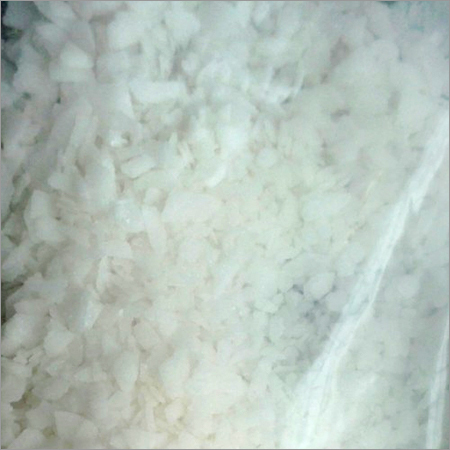
Tell us about your requirement

Price:
Quantity
Select Unit
- 50
- 100
- 200
- 250
- 500
- 1000+
Additional detail
Mobile number
Email


SWASTIK CHEM IMPEX
All Rights Reserved.(Terms of Use)
Developed and Managed by Infocom Network Private Limited.
Developed and Managed by Infocom Network Private Limited.

